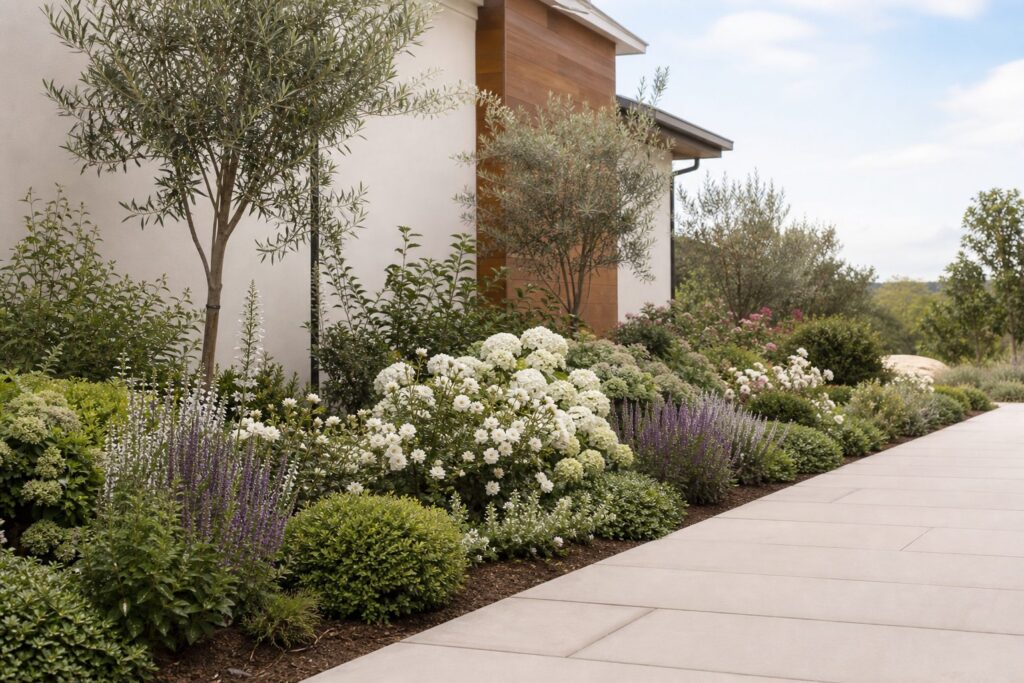
Landscape Design in Sarasota, FL
Landscape design in Sarasota, FL requires clear planning, plant selection, and careful preparation of your yard. This service directs the layout and growth of plants, structures, and hardscaping on your property.
You will receive focused attention to aspects like soil condition, plant types suited to this region, and how outdoor features fit together. Landscape design shapes your outdoor space for functionality, balance, and ease of care.
Overview of Landscape Design
Landscape design organizes plants, walkways, and outdoor elements to improve your yard’s appearance and use. This service includes creating plans for planting beds, paths, and garden features.
Attention focuses on soil preparation, plant pairing, and the placement of structures like patios or fences. The goal is a cohesive, functional yard layout suited to your needs and the Sarasota environment.
Factors Affecting Landscape Design Cost
Landscape design pricing depends largely on yard size and the complexity of the layout. Larger areas require more planning, materials, and labor, which influences the overall cost.
Choice of plants and materials also plays a role. Some plant types need specialized soil or irrigation adjustments, raising the scope and effort required. Existing yard condition affects preparation work needed before planting or installation.
Scheduling Landscape Design Work
Scheduling depends on the scope and specifics of your project. The business will arrange visits and work days based on your yard’s size and design details.
Initial contact usually leads to an appointment to discuss needs and site conditions. The actual installation of plant materials and features happens over multiple days, aligned with weather and workflow considerations.
Credentials and Customer Feedback
This business does not list specific credentials or certifications related to landscape design. Instead, it relies on practical approaches and clear communication to deliver results.
Customers note thorough project explanations and a steady work process. A client said, "They explained each step and made suggestions that suited my yard, showing professionalism and care throughout."
Signs of Design Issues
These signs point to potential problems with your landscape design requiring attention or adjustment in Sarasota yards.
- Poor drainage. Water pools or drains slowly, causing soggy spots or erosion near planting areas.
- Soil erosion. Visible soil loss along slopes or exposed roots indicates improper soil stabilization.
- Plant decline. Plants show stunted growth, discoloration, or dieback due to unsuitable placement or care.
- Uneven pathways. Walkways become uneven or unstable, causing difficulty walking or water pooling.
- Crowded plants. Overlapping foliage or roots suggest poor spacing, risking plant health and maintenance.
- Weed overgrowth. Excessive weed growth signals inadequate ground cover or soil preparation.
Typical Design Challenges
Common challenges arise from site conditions, plant choices, and preparation errors affecting landscape design success.
- Poor soil quality. Soil lacking nutrients or structure limits plant growth and water drainage.
- Incorrect plant selection. Choosing plants unsuited for Sarasota’s climate or soil causes decline and extra care needs.
- Inadequate grading. Improper land slope leads to water pooling and erosion problems.
- Insufficient site prep. Skipping soil testing or amendment results in weak plant establishment.
- Narrow walkways. Paths designed too small or uneven reduce accessibility and increase wear.
Typical Steps in Design Work
Step one: assess the property’s condition and client goals for the yard layout.
Step two: prepare a clear plan showing plant placement, paths, and outdoor features.
Step three: adjust site grading and soil as needed to suit the design and plants.
Step four: install plants, walkways, and any structural elements in designated areas.
Step five: review installed landscape with the client and explain care recommendations.
Common Homeowner Errors
Avoid these mistakes that can hinder landscape design success or increase maintenance.
- Skipping soil tests. Not testing soil can cause plant failure due to unsuitable conditions.
- Crowding plants. Planting too close limits growth and increases disease risk.
- Ignoring grading needs. Failing to correct slope issues results in drainage problems.
- Using incompatible plants. Selecting species that do not match climate or soil weakens your yard.
- Neglecting maintenance. Skipping routine care lets weeds spread and damages plant health.
Maintenance Habits for Health
Regular care reduces problems and keeps your landscape design looking its intended way.
- Test soil. Periodically check soil nutrients and pH to adjust amendments accordingly.
- Water properly. Provide consistent watering suited to plant types and weather conditions.
- Prune regularly. Trim plants to maintain shape, prevent crowding, and remove dead material.
- Control weeds. Remove weeds before they spread to protect plant health and soil quality.
- Check drainage. Ensure water flows away from plants and walkways to avoid pooling or erosion.
Common questions
Cost depends on yard size, plant and material choices, and the condition of your existing landscape.
Scheduling depends on project size and complexity, with visits arranged after initial consultation.
Signs include poor drainage, plant decline, soil erosion, and crowded or uneven planting areas.
It includes property assessment, planning, soil prep, plant selection, and installing outdoor features.
Consider design when planning new plants or features, or addressing drainage and plant health issues.
Ready when you are
Schedule Your Lawn Service
Contact Thornhill Lawn Care to plan the next steps for your lawn or irrigation system. We provide clear estimates and detailed scheduling for your project.